Start with the room, exposure and routine
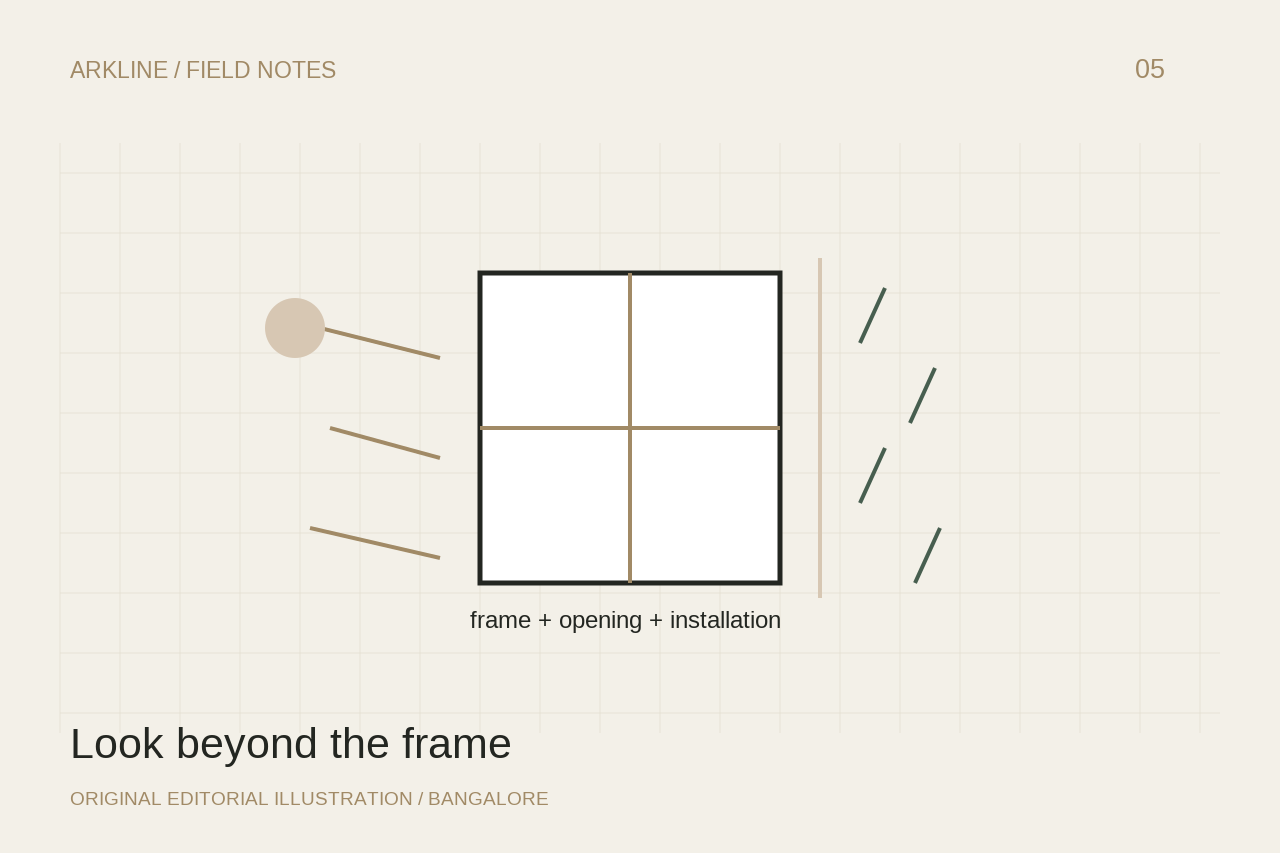
Give each opening an ID: main entry, bedroom, bathroom, utility, balcony, store or terrace access. Note whether it receives rain or direct sun, sits beside a wet area, is cleaned often, needs privacy at night, or will be used by children, pets or people carrying loads. A door beside a bathroom has a different brief from a shaded bedroom door, even when both look identical in a catalogue.
Ask who will maintain the surface and how often the opening is likely to be wiped, repainted, adjusted or repaired. Keep exterior and interior decisions separate. This is a planning brief, not a structural, fire, security or acoustic specification.
Compare leaf, frame and finish together
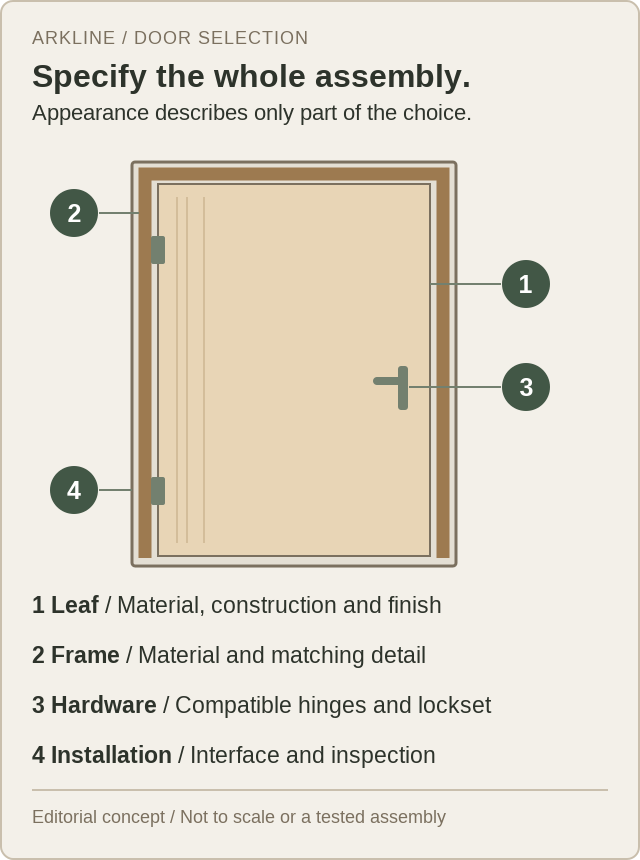
Teak names a timber; flush describes a flat-faced door construction. A teak-veneered face does not tell you what is inside the leaf. These labels are not interchangeable performance grades. Ask what the door leaf contains, how the edges are finished, what the frame is made from, and which faces and cut edges receive the specified coating. Include hinges, lock body, handles, door closer if any, seals, threshold and surrounding trim in the same review.
| Option or condition | Questions for the proposed door |
|---|---|
| Solid or framed timber | Which timber and grade are supplied? How are moisture, grain movement, joints, finish and future touch-ups documented? |
| Veneered or engineered flush leaf | What core, face veneer, edge band and finish are specified? Can the supplier explain limits on wet exposure, trimming and repairs? |
| Bathroom or utility opening | What moisture exposure is expected? How are frame, bottom edge, hardware, ventilation and cleaning handled? |
| External or sun-exposed opening | What protects the door from rain and direct sun? Which finish inspections and maintenance instructions apply? |
The USDA Forest Products Laboratory’s 2021 wood handbook explains that wood exchanges moisture with surrounding air and can change dimension as moisture changes; protective coatings can retard this process but do not prevent it. Treat that as a reason to ask about drying, storage, finish coverage and installation conditions, not as proof that one species is automatically better.
Inspect a sample and write the care routine
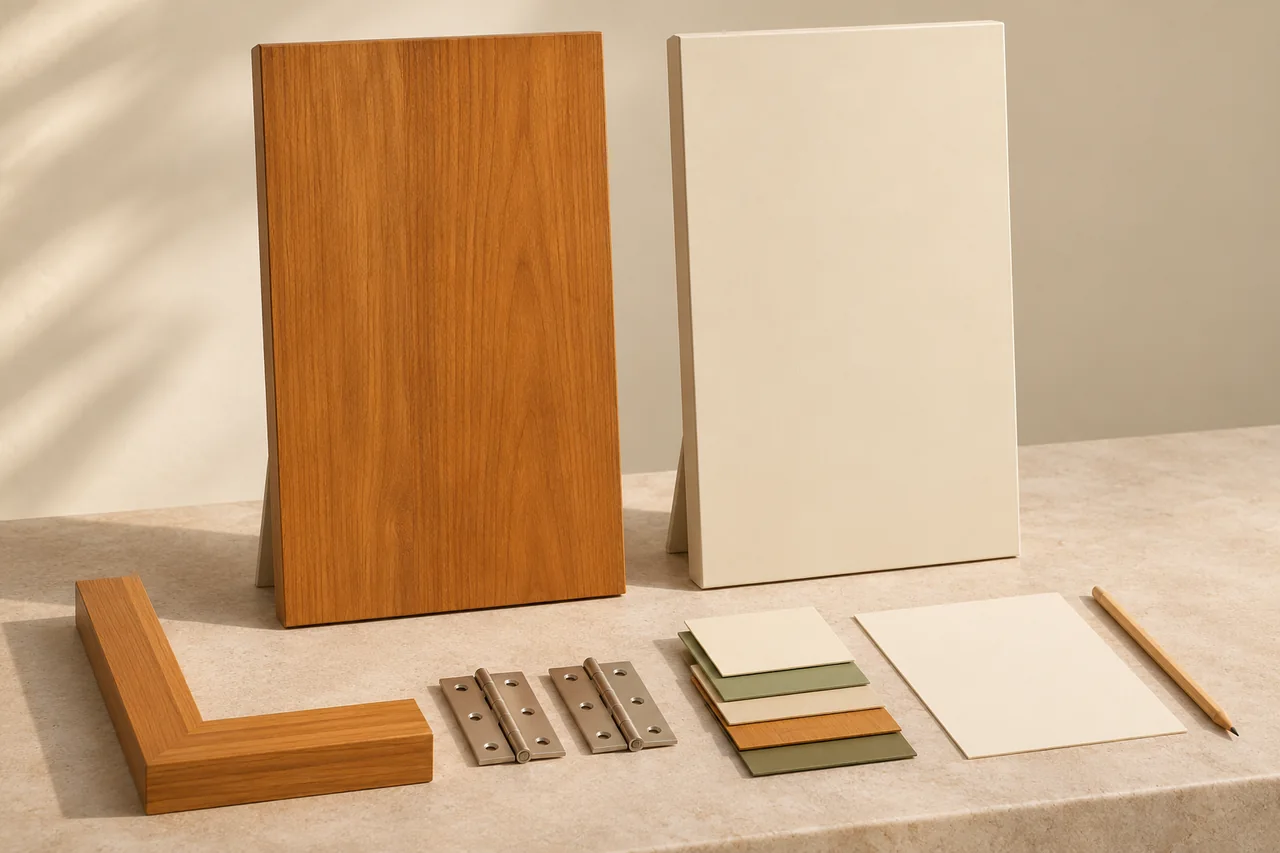
Review a full-size door or a representative corner with the frame, edge, hinge side and handle position visible. Look at the face in daylight and indoor light. Ask to see the underside or bottom edge where moisture and cleaning can be overlooked. Record the approved colour, sheen, veneer direction, hardware model and any accepted variation.
Request the manufacturer’s cleaning method, approved products, refinishing limits, warranty conditions and signs that need attention. JELD-WEN’s care guidance recommends a clean damp cloth for its internal doors and warns against abrasive materials; its timber-door guidance also points owners to the stain or paint manufacturer’s instructions. Treat this as product-specific guidance, not a universal schedule for every door sold in India.
Masonite’s exterior-door care guide lists flaking, cracking and colour changes as signs to review on wood doors; follow the selected supplier’s instructions for your product. Keep the finish product code and approved touch-up instructions with the room schedule. Do not assume a sealer makes timber waterproof, a flush leaf suitable for every wet location, or a premium species maintenance-free.
Coordinate the opening before ordering
Put each door in a schedule: opening ID, location, swing direction (handing), leaf and frame construction, finish, hardware, seals, threshold, ventilation or privacy requirement, installation status and unresolved questions. Confirm who checks the opening before fabrication and who records any change. A door schedule that names only “teak door” is too vague to compare quotes or resolve a later repair.
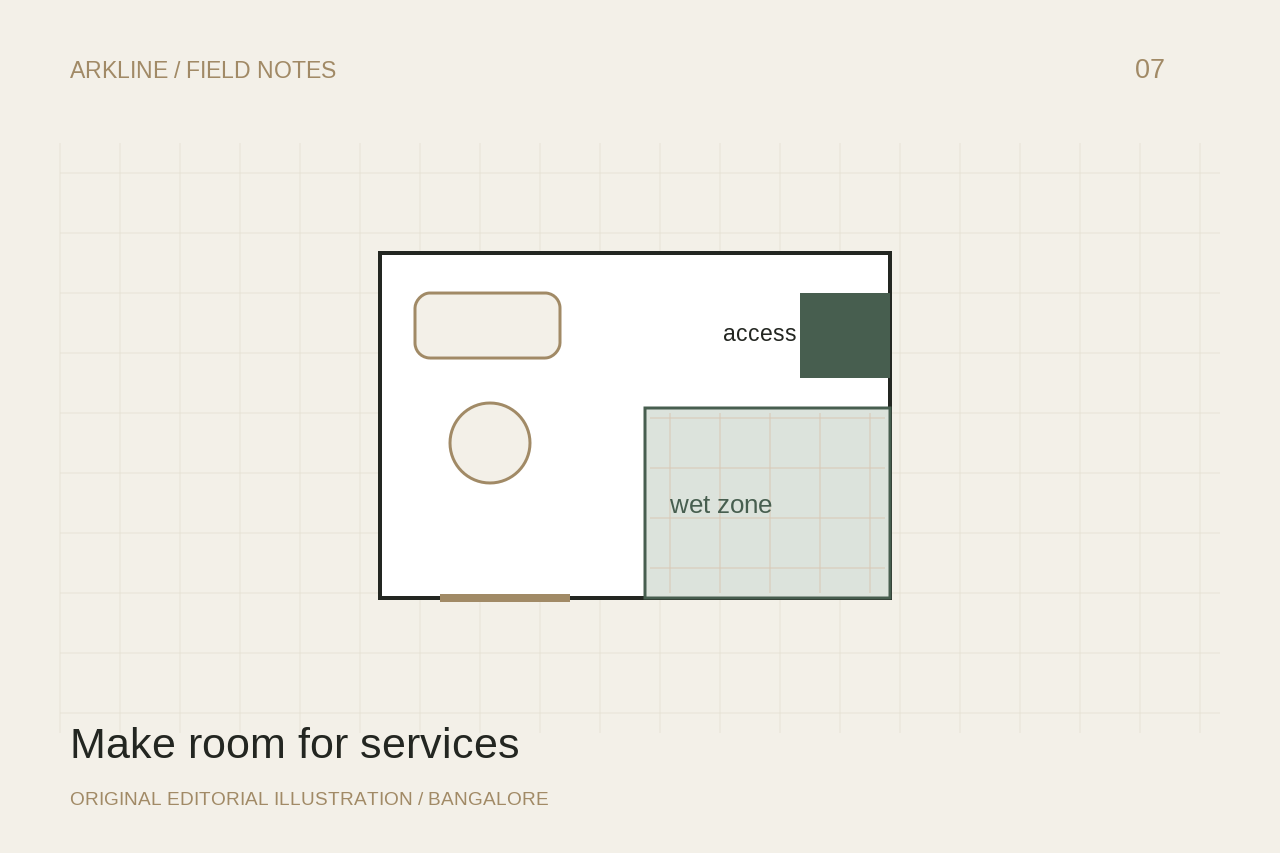
Illustrative schedule entry: U01 — utility beside wash area. Record expected splash exposure and wiping routine; compare the proposed leaf and frame against the supplier’s written exposure limits. Show the swing beside the washing-machine door and service route. Name the bottom-edge finish detail, hinge/lockset models and installer. Leave an unresolved product or detail marked “pending” rather than allowing a generic “teak door” allowance to stand in for an agreed specification.
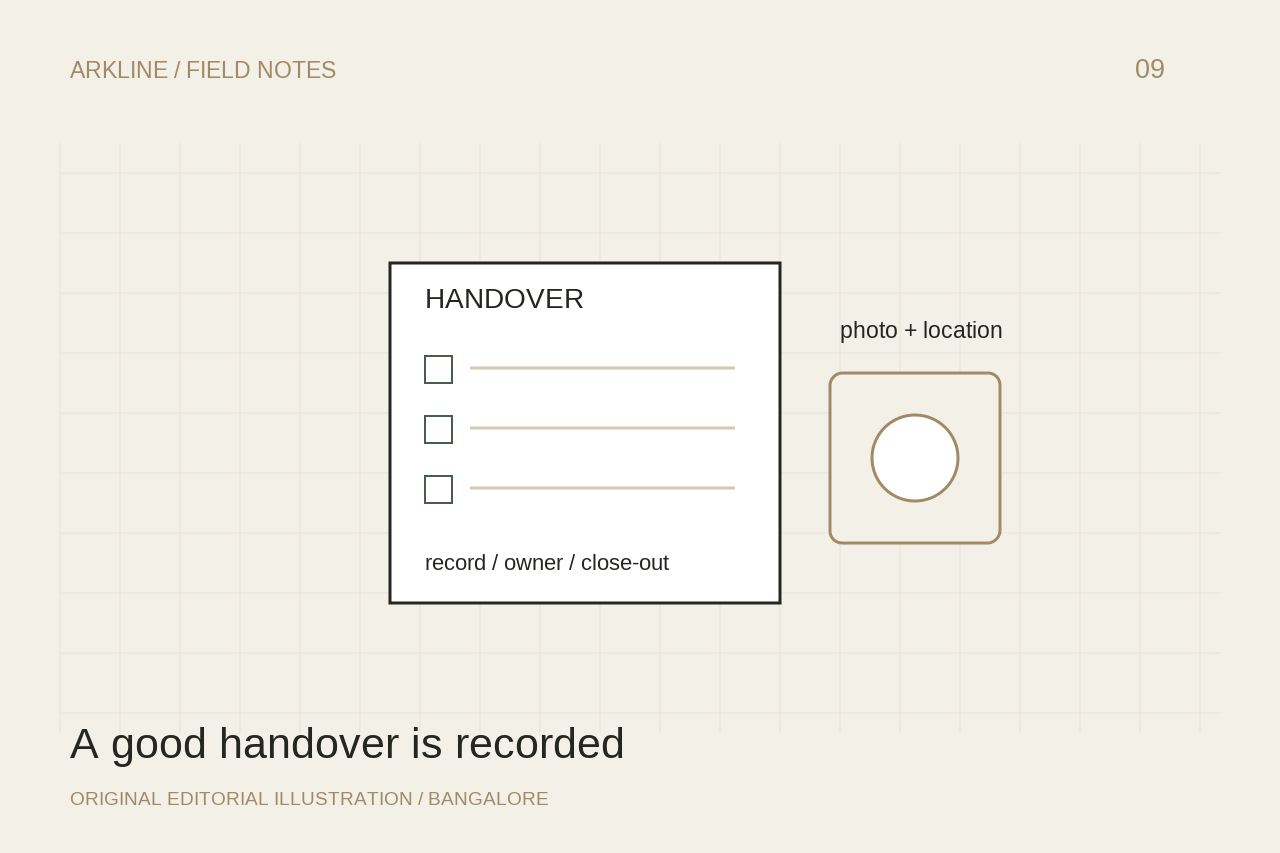
At handover, retain the approved sample, supplier sheet, finish instructions, hardware details, spare material and installation photographs taken before interfaces were covered. Ask a qualified project professional to review structural, fire, security or accessibility requirements that apply to the actual opening.
Take this to your next meeting
Your site checklist
- List each opening, room use, moisture exposure, sun and cleaning routine.
- Record leaf, frame, edge, finish, hardware, seals and threshold as one system.
- Request written care, refinishing, warranty and exposure limits from the supplier.
- Inspect a representative full-size sample, including bottom and hinge edges.
- Confirm storage, site measurement, installation responsibility and change records.
- File approved samples, product codes, spare material and handover photographs.
Common questions
Is teak always the best door material for a Bengaluru home?
No single species or label is best for every opening. Compare the actual leaf, frame, finish, exposure, hardware, maintenance plan and supplier evidence for that room.
Are flush doors waterproof?
Do not assume that from the word flush. Ask for the specified core, face, edges, finish, wet-exposure limits and installation details, then have the project team decide whether the proposed system fits the location.
How should I care for a timber door?
Follow the selected product and finish instructions. Keep the surface clean with the approved method, watch for finish breakdown, swelling, cracking or sticking, and arrange qualified inspection when the cause is unclear.
Reading notes
Sources & further reading
Checked on the dates below. Official requirements and documents can change; confirm the version that applies to your site.
- USDA Forest Products Laboratory: Wood Handbook 2021, Chapter 13 — Moisture and Dimensional Changes Accessed 18 November 2026
- JELD-WEN: Maintenance and Aftercare Accessed 18 November 2026
- Masonite: How To Maintain An Exterior Door Accessed 18 November 2026